Blog
The economics of AI coding agents
Real numbers, runnable snippets, honest limitations. Subscribe via RSS.
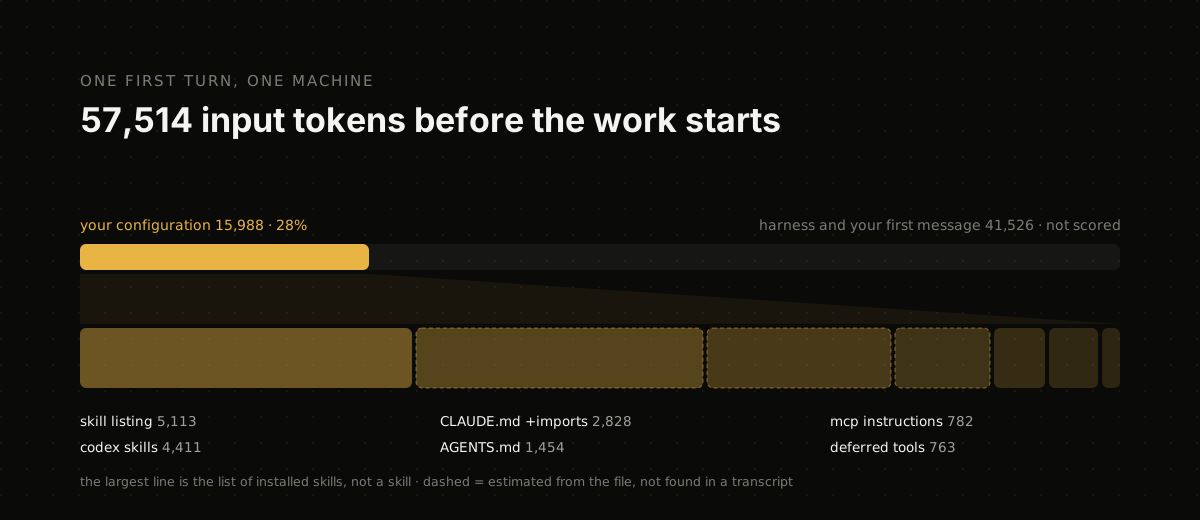
What Claude Code loads before you type, and what it costs
Every session opens with a prefix you did not write and then re-sends it on every turn. Measured on one machine: 57,514 input tokens on the first turn, 15,988 of them configuration someone chose. What is in that number, which line is biggest, and how to get yours.
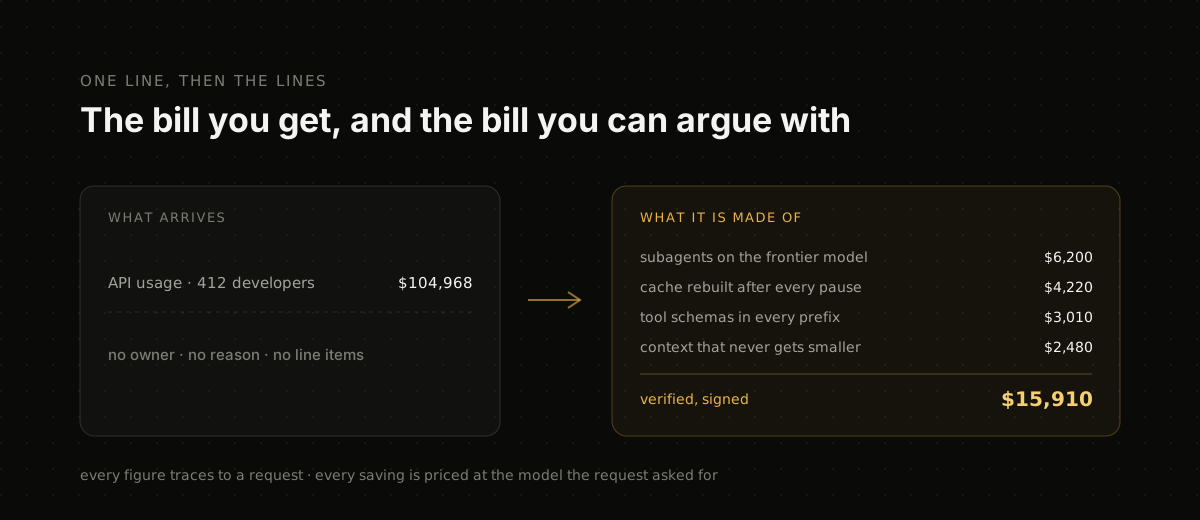
What decost is: policy, measurement and an invoice you can argue with
A managed savings layer between an engineering organisation's coding agents and the providers that bill for them. What it applies, what it measures, what it proves, and what it deliberately does not do.
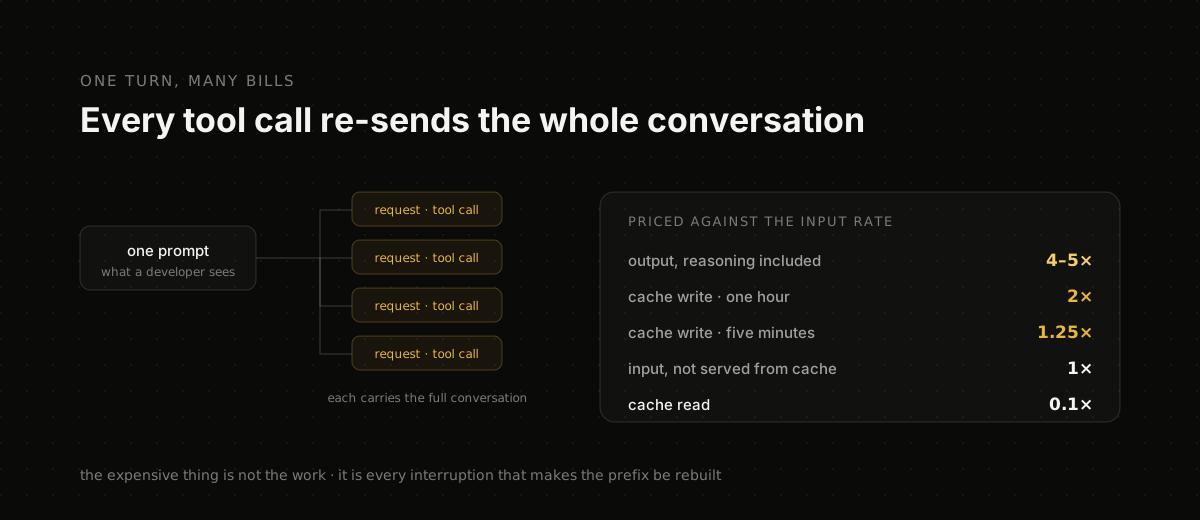
What makes a two-hour session cost $1,200: a coding-agent bill, request by request
A single prompt to Claude Code or Codex becomes many billed API calls, each re-sending the whole conversation. Here is the anatomy of that bill: the four token classes, their price multipliers, and the six mechanisms that make one session cost ten times another — or a thousand.
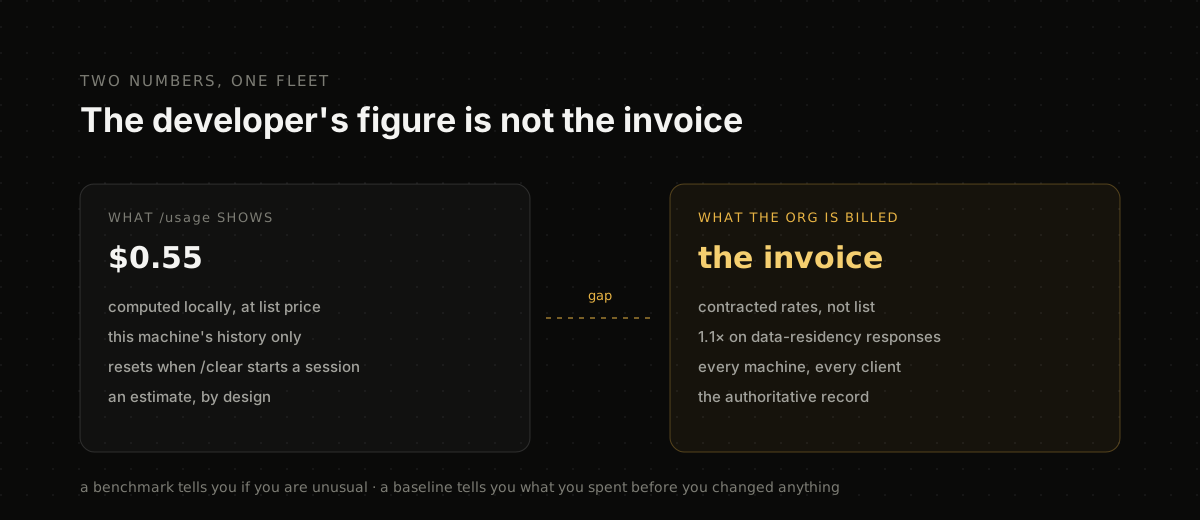
The number your developers see is not the number you pay
Claude Code computes its cost figure locally, at list price, from one machine's history. Four documented ways that diverges from your invoice — and what a savings claim needs to survive a finance review.
Does your LLM gateway break prompt caching? Five questions before you buy one
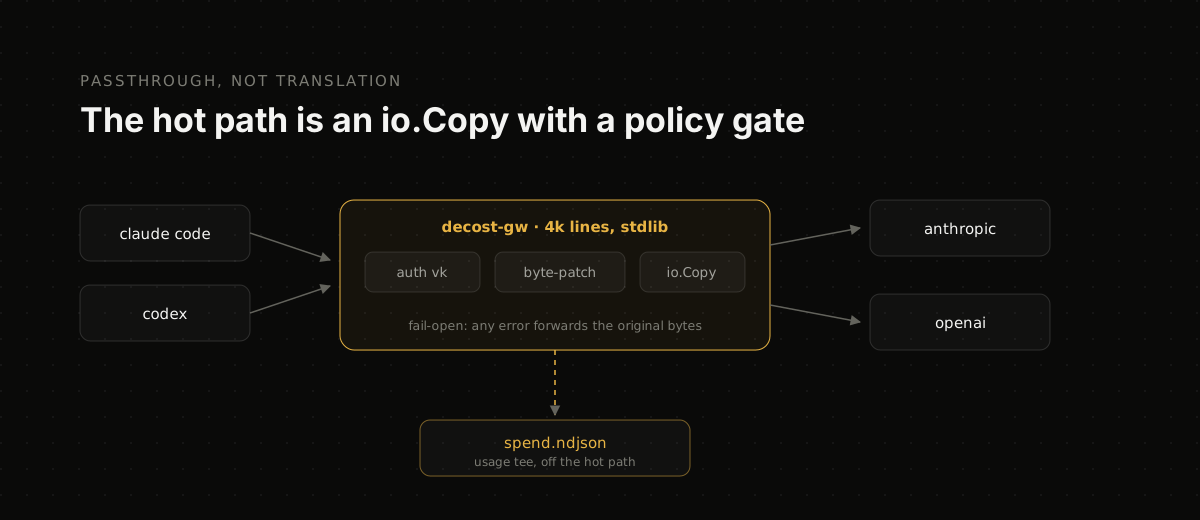
In July 2026 one proxy release cut warm-session cache hit rates from about 90% to 25–45% and tripled daily spend, returning 200s the whole time. Byte fidelity is the property that decides your cache bill, and it is the first of five questions that decide build or buy.
Uber burned its 2026 AI budget in four months. Then it cut cost per session 52%.
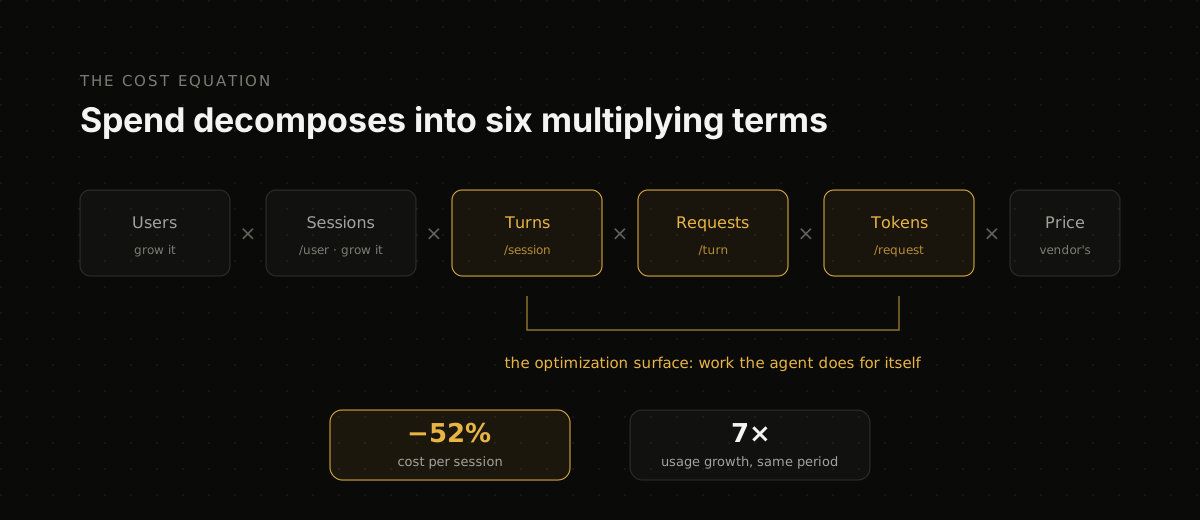
Adoption went 32% to 84% in a month, per-engineer bills ran $500–$2,000, and the year's AI budget was gone by April. Four months later Uber published how it grew usage 7× while cost per session fell 52%. Here is each lever, what it is worth, what it costs to adopt, and the case against adopting it blindly.